

R U OK Day 2026 across Australian workplaces is expected to centre on practical, year-round mental health support, not just one day of awareness. Many organisations are likely to treat the date as a coordinated check-in moment, backed by leadership commitment, clear pathways to help, and measurable follow-through.
While each workplace will plan differently, the common theme for R U OK Day 2026 across Australian workplaces will be turning “ask the question” into a routine, supported behaviour.
What will the core focus be for R U OK Day 2026 across Australian workplaces?
The core focus is likely to be everyday connection at work, with simple conversations that spot issues early and reduce stigma. They will aim to make check-ins feel normal, especially in teams under pressure, in shift work, and in hybrid roles.
In practice, many workplaces will put more effort into manager capability, safe escalation steps, and ensuring employees know what happens after someone says they are not OK.
How will leaders show visible commitment on the day?
Leaders are expected to be more present, more personal, and more specific about what support exists. They will often open the day with a brief address that encourages genuine check-ins and reminds staff of confidential help options.
Many executives and senior managers will also model the behaviour by joining toolbox talks, morning teas, or team huddles, reinforcing that mental health is a shared responsibility rather than an HR initiative.”
What kinds of events will organisations run in offices and worksites?
Most events will stay simple and low-cost, because the goal is conversation rather than spectacle. They will commonly run morning teas, team check-in circles, pop-up coffee carts, and short facilitated sessions that teach people how to ask and listen.
For worksites like construction, warehousing, and logistics, they will likely use toolbox talks, pre-start briefings, and short scripts supervisors can deliver quickly without disrupting operations.
How will remote and hybrid teams be included?
Remote teams will likely get structured touchpoints so nobody is missed. They may run short video check-ins, virtual coffee pairings, and team prompts posted in collaboration tools, with guidance on how to respond if someone discloses they are struggling.
To keep it inclusive, many organisations will plan multiple time slots across Australian time zones and provide options that do not require cameras or speaking in front of a group.
What training will managers and team leaders be expected to complete?
Manager training is expected to be a central plank, because they are often the first to notice changes in behaviour. They will commonly complete refresher modules on how to ask, how to listen without judgement, and how to connect someone to support.
Many workplaces will also focus on boundaries, documentation, and when to escalate to HR, a wellbeing team, or emergency services, so leaders are confident and consistent.
How will workplaces support culturally safe conversations?
Many organisations will plan culturally safe approaches that recognise different communication styles and experiences of mental health. They may involve Employee Resource Groups, multicultural champions, or external facilitators to help tailor guidance and language.
In Aboriginal and Torres Strait Islander contexts, they are more likely to engage local cultural advisers and prioritise community-informed supports, rather than relying on generic messaging.
What role will Mental Health First Aid and peer supporters play?
Peer support networks are expected to be used more deliberately, especially where employees prefer speaking with a colleague first. They may highlight trained Mental Health First Aiders, explain confidentiality limits, and show clear steps for referring into professional help.
In R U OK Day 2026 across Australian workplaces, many organisations will also clarify how peer supporters are supported themselves, including supervision, debriefing, and reasonable workload adjustments.
See Also: Is Brownie Delivery Worth It for a Small Office Party?
How will EAPs and internal support services be promoted more effectively?
Workplaces will likely move beyond simply posting an Employee Assistance Programme number. They may explain what EAP is for, how to book, typical wait times, after-hours options, and whether family members can access it.
Many will also share “what to expect” guidance to reduce anxiety about counselling, and they may publish de-identified usage insights to show that people actually use the service.
What will be done to prevent the day from feeling performative?
They will often add concrete actions that last beyond a single date, such as quarterly check-ins, manager KPIs tied to psychological safety, and ongoing education. They may also run anonymous pulse surveys to capture whether staff feel safe speaking up.
To avoid tokenism, many will align the day to existing wellbeing strategies, workplace health and safety frameworks, and psychosocial hazard management obligations.
How will high-risk industries adapt R U OK Day plans?
High-risk industries are expected to prioritise fatigue, critical incidents, and suicide prevention pathways alongside general wellbeing. They may integrate check-ins into safety rhythms, such as pre-starts, shift changeovers, and incident reviews.
For FIFO and remote operations, they will likely plan for privacy, reliable access to support, and practical resources that work when employees are away from family and usual care providers.
What will HR and WHS teams be preparing behind the scenes?
HR and WHS teams will often prepare response plans for disclosures, including triage steps, referral options, and documentation requirements. They will also brief managers on privacy, reasonable adjustments, and how to respond to bullying, harassment, or workload concerns raised during conversations.
Because psychosocial risk is a growing compliance focus, many teams will connect R U OK Day 2026 across Australian workplaces to broader hazard identification and control measures.
How will workplaces handle serious disclosures or immediate risk?
They are expected to be clearer about what to do if someone indicates self-harm risk, domestic violence, or immediate danger. Many workplaces will provide a simple escalation flowchart and ensure managers know when to call 999, contact on-site first aid, or involve crisis services.
They will also emphasise that colleagues do not need to be experts, because the priority is staying with the person, listening, and connecting them to urgent support.
What kinds of communication materials will be used?
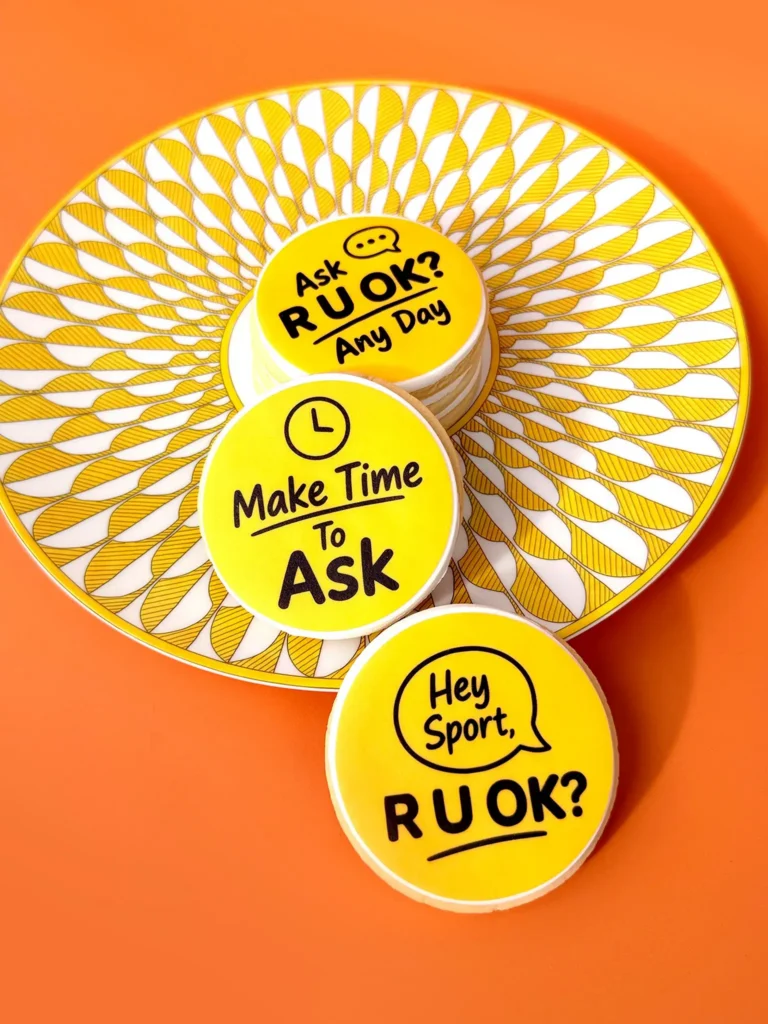
Most workplaces will use short, practical assets that make it easy to act. They may distribute conversation starters, posters for lunchrooms, email templates for leaders, intranet hubs, and short videos showing what a supportive check-in sounds like.
For R U OK Day 2026 across Australian workplaces, many will also tailor materials by role, with versions for supervisors, project leads, customer-facing staff, and new starters.
How will organisations measure whether their approach worked?
They will likely track participation, training completion, and EAP engagement, but also look for quality signals like psychological safety scores, manager confidence, and reduced unresolved workload issues. Many will run post-event surveys asking whether employees felt supported and knew where to go for help.
Some organisations will also review themes raised during the day and publish a “you said, we did” summary to show follow-through.
What can employees expect on the day itself?
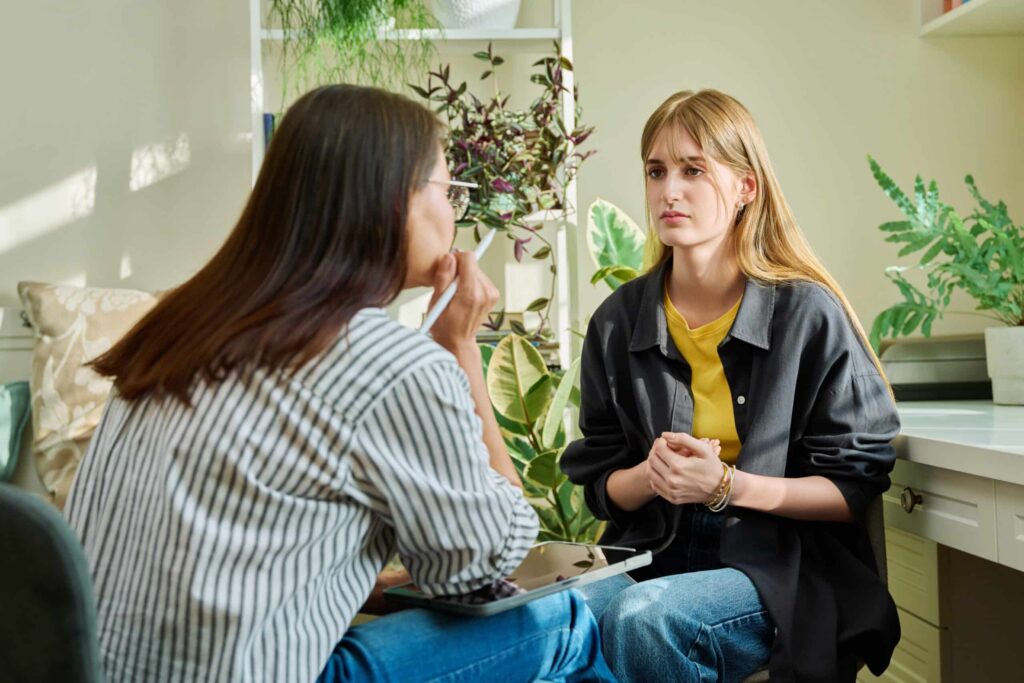
Employees can expect prompts to check in with colleagues, plus reminders that support is available and confidential. Many will be encouraged to ask directly, listen without fixing, and follow up later rather than treating it as a one-off chat.
In R U OK Day 2026 across Australian workplaces, many employees will also see clearer guidance on what to do next if a colleague says they are not OK.
What should workplaces prioritise in the weeks after R U OK Day?
They should prioritise follow-ups, because that is where trust is built. Many workplaces will schedule manager one-to-ones, team debriefs, and targeted support where themes emerged, such as workload, role clarity, conflict, or burnout risk.
For R U OK Day 2026 across Australian workplaces, the strongest plans will include a simple continuation calendar, so check-ins and training do not fade after the posters come down.
What will best practice look like for R U OK Day 2026 across Australian workplaces?
Best practice will look like a coordinated effort that is human, specific, and backed by real support pathways. They will normalise conversations, train leaders properly, and make help easy to access, whether someone works in a CBD office, a regional hospital, or a remote site.
Ultimately, R U OK Day 2026 across Australian workplaces will be most effective where organisations treat it as a gateway to ongoing connection, not a once-a-year campaign.
FAQs (Frequently Asked Questions)
What is the main focus of R U OK Day 2026 in Australian workplaces?
The main focus of R U OK Day 2026 across Australian workplaces is to promote practical, year-round mental health support through everyday connection and simple conversations that spot issues early and reduce stigma, rather than limiting efforts to a single day of awareness.
How will leadership demonstrate commitment during R U OK Day 2026?
Leaders will show visible commitment by being more present and personal, opening the day with addresses encouraging genuine check-ins, reminding staff of confidential help options, and actively participating in team activities like toolbox talks and morning teas to reinforce that mental health is a shared responsibility.
What kinds of activities are planned for offices and worksites on R U OK Day 2026?
Organisations plan to run simple, low-cost events focused on conversation, such as morning teas, team check-in circles, pop-up coffee carts, facilitated sessions on how to ask and listen, toolbox talks, pre-start briefings, and short supervisor scripts tailored to avoid disrupting operations.
How will remote and hybrid teams be included in R U OK Day 2026 initiatives?
Remote and hybrid teams will be engaged through structured touchpoints like short video check-ins, virtual coffee pairings, team prompts in collaboration tools, multiple time slots across Australian time zones, and options that do not require cameras or speaking publicly to ensure inclusivity.
What training will managers receive to support mental health during R U OK Day 2026?
Managers are expected to complete refresher training modules focusing on how to ask about wellbeing sensitively, listen without judgement, connect employees to support services, maintain boundaries, document appropriately, and know when to escalate concerns to HR or emergency services.
How will workplaces ensure culturally safe conversations about mental health?
Workplaces will adopt culturally safe approaches by involving Employee Resource Groups, multicultural champions, external facilitators, and local cultural advisers—especially in Aboriginal and Torres Strait Islander contexts—to tailor guidance and language that respect different communication styles and experiences of mental health.